Understanding SSO, OAuth, and Identity Integrations: A Practical Guide
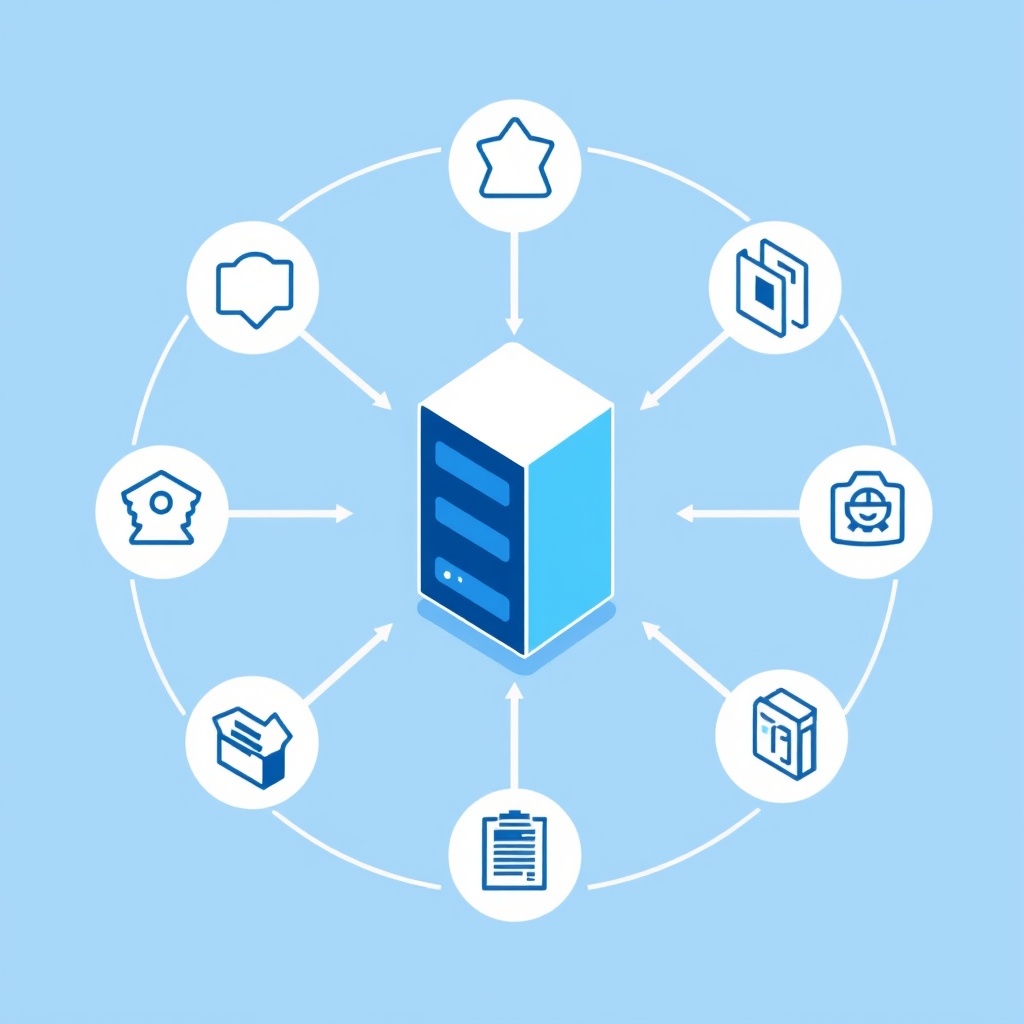
Introduction Modern software ecosystems rely on seamless authentication to provide users with convenient access while preserving security. Single sign-on, OAuth, and identity integration form the backbone of this experience, allowing individuals to log in once and interact with multiple applications without repeated credential prompts. Understanding these concepts is essential for developers, security architects, and product managers who aim to build trustworthy systems. What Is Single Sign-On (SSO)? Single sign-on, often abbreviated as SSO, is an authentication mechanism that enables a user to access multiple independent software systems with a single set of login credentials.
After the initial authentication, the identity provider issues a session token that is shared among relying applications, eliminating the need for separate passwords. This approach reduces password fatigue and improves user satisfaction. How SSO Works Typically, SSO relies on a centralized identity provider that validates the user's credentials against a directory or authentication service. Once verified, the provider creates a secure token, often a JSON Web Token or SAML assertion, which is then passed to each service the user attempts to reach. Each service validates the token before granting access, ensuring consistent authentication across the environment.
Introduction to OAuth OAuth is an open standard for authorization that allows third‑party applications to obtain limited access to user accounts without exposing passwords. It introduces the concept of access tokens, which represent the permissions granted by the user. By separating authentication from authorization, OAuth enables fine‑grained control over what each client can do. OAuth 2.0 Flow The OAuth 2.0 specification defines several grant types, with the authorization code flow being the most common for web applications. In this flow, the client redirects the user to the authorization server, where the user consents to the requested scopes.
After consent, the server returns an authorization code, which the client exchanges for an access token using a secure back‑channel request. Comparing SSO and OAuth While SSO focuses on simplifying the login experience across multiple services, OAuth provides a mechanism for delegated authorization. SSO typically involves authentication protocols such as SAML or OpenID Connect, whereas OAuth deals with granting limited access to resources. In practice, many identity providers combine both, using OpenID Connect as an identity layer on top of OAuth 2.0.
Identity Integration Strategies Integrating identity across platforms requires choosing a consistent protocol, managing user attributes, and ensuring token lifetimes align with security policies. Organizations often deploy an identity broker that centralizes authentication, enforces multi‑factor requirements, and maps roles to downstream applications. This broker can also handle federation, allowing users from external directories to access internal resources. Federation Protocols Identity federation extends authentication beyond a single organization by allowing users to assert their identity across different security domains. Protocols such as SAML, WS‑Federation, and OpenID Connect enable this exchange, each with distinct message formats and trust models.
Selecting a federation standard requires evaluating compatibility with existing directories, support for single sign‑out, and the ability to convey custom attributes. Common Identity Providers Popular identity providers include Azure Active Directory, Okta, Auth0, and Google Identity Platform. Each offers a range of features such as social login, passwordless authentication, and adaptive risk assessment. Selecting a provider often depends on existing infrastructure, compliance requirements, and the desired level of customization for developer experience. Additionally, integration with existing CI/CD pipelines can automate provisioning and reduce operational overhead.
Token Lifecycle Management Access tokens are the core artifact in OAuth and OpenID Connect, and their lifecycle must be carefully controlled. Issuers should embed expiration timestamps, and clients must refresh tokens before they expire to maintain continuity. Revocation endpoints allow immediate invalidation of compromised tokens, while token introspection provides real‑time status checks for resource servers. Best Practices for Implementing Identity Integrations Start by defining clear authentication policies, including allowed grant types and token expiration intervals. Use short‑lived access tokens combined with refresh tokens to balance security and usability. Implement proper token validation on each service, checking signatures, audience, and issuer.
Additionally, log authentication events for auditing and monitor for anomalous activity. Monitoring and Analytics Continuous observation of authentication flows helps detect anomalies and measure system health. Collecting metrics such as login success rates, token issuance latency, and error patterns enables proactive issue resolution. Integrating these insights with security information and event management platforms supports rapid response to potential breaches and facilitates compliance reporting for audit purposes. Security Considerations Identity integrations must protect against common threats such as token interception, replay attacks, and credential leakage. Enforce HTTPS for all communications, and consider using mutual TLS for service‑to‑service calls.
Rotate signing keys regularly and store secrets in dedicated vaults. Finally, adopt a zero‑trust model, verifying each request regardless of its origin. Compliance and Regulatory Requirements Many industries are subject to regulations that dictate how authentication data must be handled, stored, and audited. Frameworks such as GDPR, HIPAA, and PCI DSS impose specific controls on token retention, encryption, and access logging. Aligning identity integration design with these requirements reduces legal risk and builds trust with customers. Future Directions The landscape of identity management continues to evolve with advances in decentralized identifiers, biometric authentication, and zero‑trust architectures.
Emerging standards such as Verifiable Credentials promise user‑controlled identity assertions, while passwordless methods like WebAuthn aim to eliminate shared secrets altogether. Staying informed about these developments will help organizations plan resilient authentication strategies. API Security and Microservices In microservice architectures, each service often validates incoming requests independently, making consistent token validation critical. Services should verify JWT signatures, check audience and issuer, and enforce scope‑based authorization. Using shared secret keys or public key infrastructure ensures that tokens remain trustworthy across distributed components, and reduces the risk of unauthorized access.
User Education and Support Even the most robust identity system can fail if users are not guided through the login process. Providing clear instructions, self‑service password recovery, and accessible help desks reduces friction and support tickets. Training materials that explain the benefits of single sign‑on and the importance of multi‑factor authentication can improve adoption rates. Performance Considerations Authentication latency directly impacts user experience, especially in high‑traffic scenarios. Implementing token caching, optimizing database queries for user lookups, and leveraging CDN for static assets can reduce response times.
Monitoring end‑to‑end authentication flow helps identify bottlenecks before they affect users, and improve overall satisfaction for the organization. These optimizations are essential for scalable systems. Conclusion Effective management of authentication and authorization is crucial for modern applications. By leveraging SSO, OAuth, and robust identity integration strategies, organizations can deliver seamless user experiences while maintaining strong security postures. Continuous evaluation of emerging standards and threat landscapes will ensure that these systems remain resilient and user‑friendly. Investing in these technologies ultimately supports business agility and customer trust.